Start with swing speed or driver distance, then compare compression evidence, cover, construction, flight, spin, feel, conditions, and repeat-buy price. Choose a few candidates before buying a larger quantity.
Measured swing speed is useful context. Compression can affect feel and response, but it is not a hard swing-speed gate. Give it weight only when comparable current evidence exists; leave unverified records neutral.
Ask: Does this candidate feel predictable at my normal swing?
02 / Cover & construction
Compare the ball as a system.
Urethane and ionomer-style cover differences can inform feel and short-game behavior. Layers and construction work together, so a piece count alone does not settle the fit.
Ask: Which cover response works on my chips, pitches, and approaches?
03 / Flight & spin
Separate flight from marketing shorthand.
Driver spin and greenside response are different test variables. Dimple count alone is not scored; published aerodynamic or flight behavior can inform flight fit without guaranteeing distance.
Ask: Is the launch window and rollout useful across the bag?
04 / Feel, conditions & price
Choose what you can retest and rebuy.
Sound, impact feel, wind, firm greens, cold weather, loss rate, and replacement cost all shape a practical choice. Test in familiar conditions before buying more.
Ask: Would I trust and rebuy this model at my normal loss rate?
Four useful contrasts
Match each example to your priorities.
Use verified attributes where they exist, keep missing compression evidence neutral, and let your own flight, spin, feel, and price priorities define the comparison.
Product box images are sourced from product pages for review; packaging may vary.
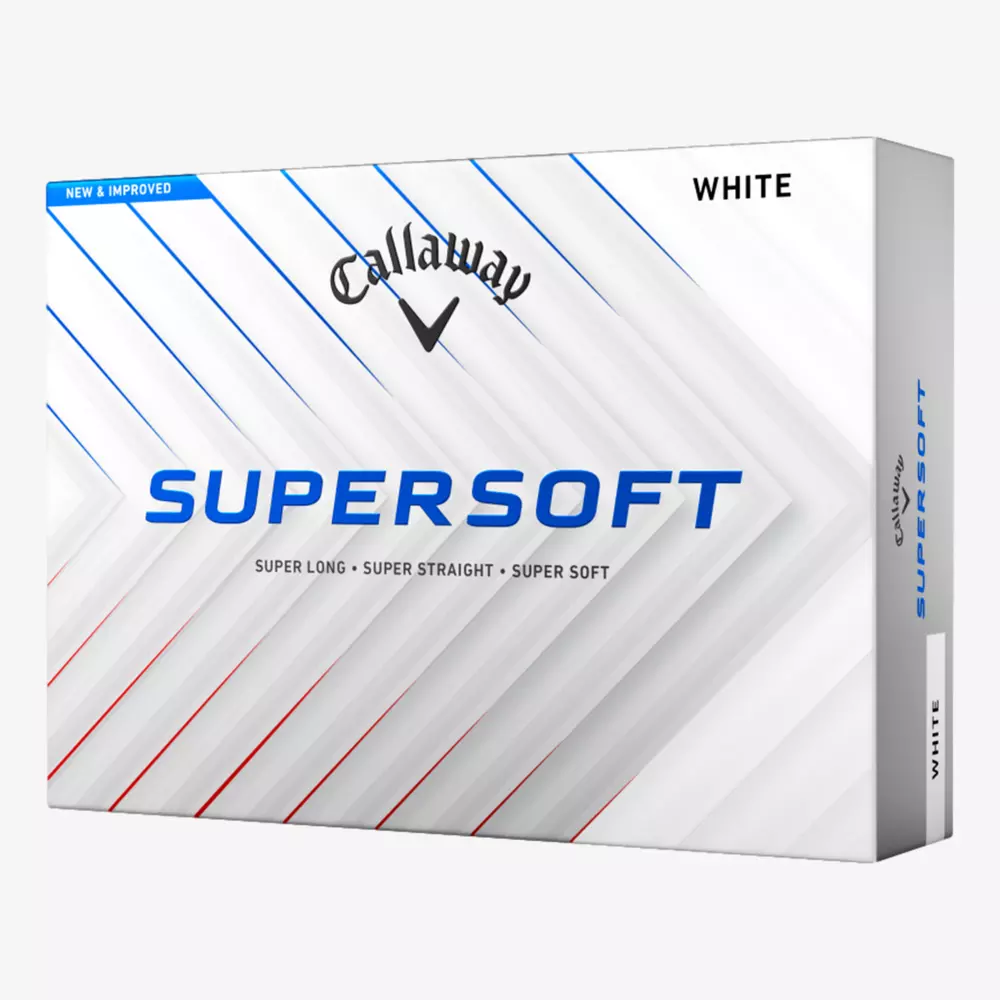
Soft feel + value
Callaway Supersoft
Worth comparing when moderate speed, very soft feel, distance, and replacement cost lead the decision.
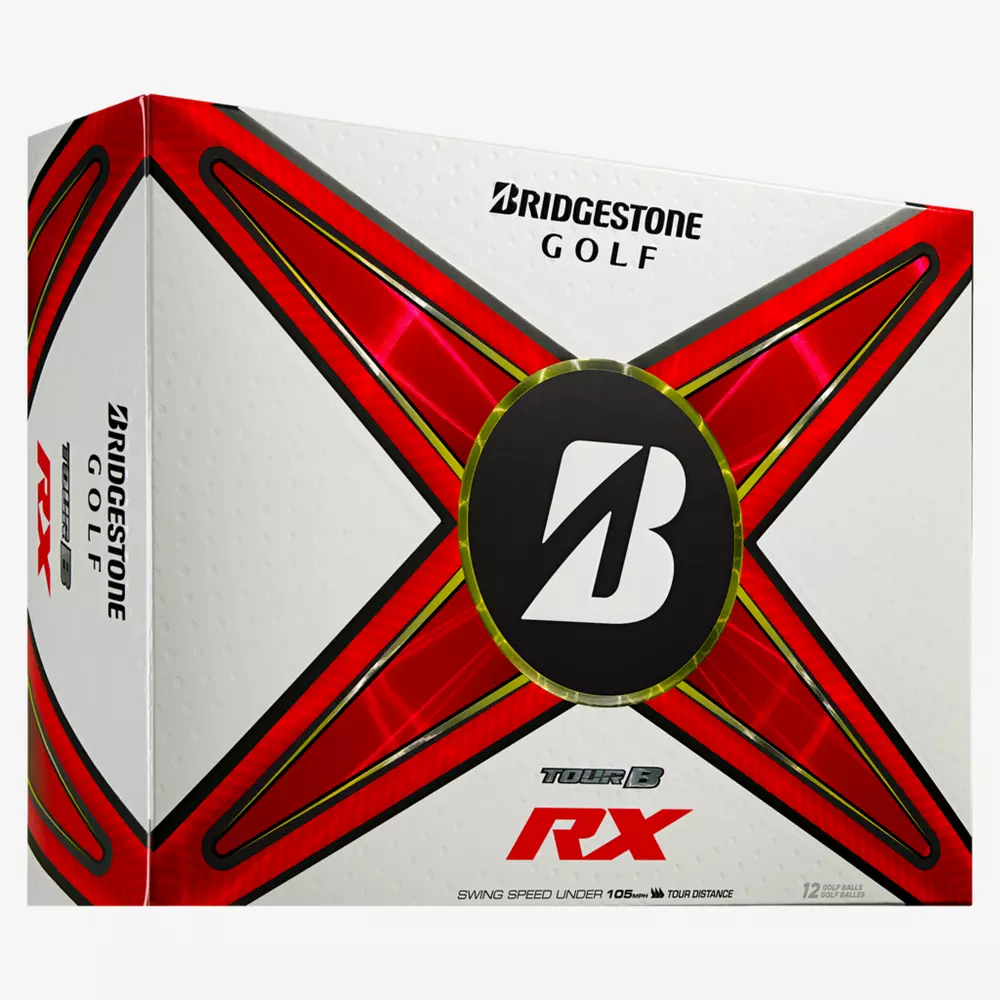
Moderate speed + control
Bridgestone Tour B RX
Worth comparing when a softer feel and more penetrating long-game window matter at speeds below the top tier.
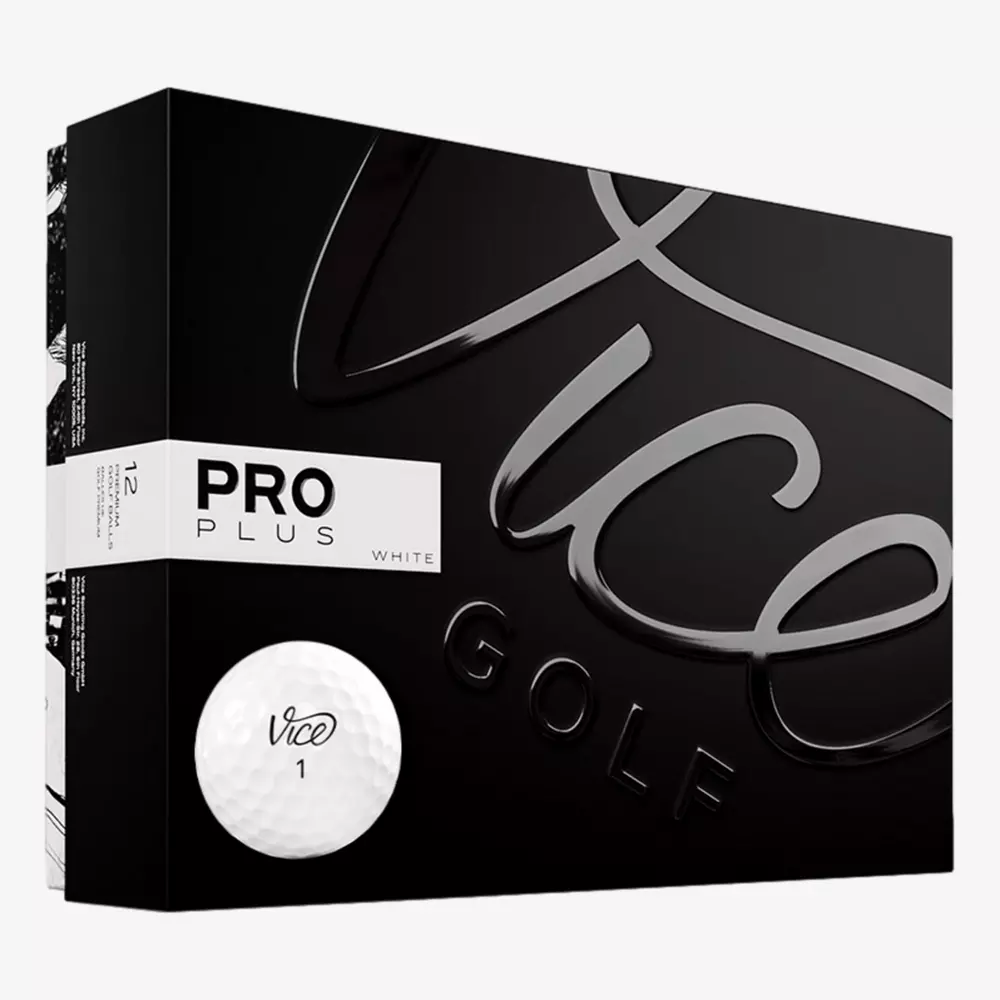
Firmer feel + faster speed
Vice Golf Pro Plus
Worth comparing for golfers with mid-to-high swing speed who want firmer feel, driver-spin control, and wedge response.
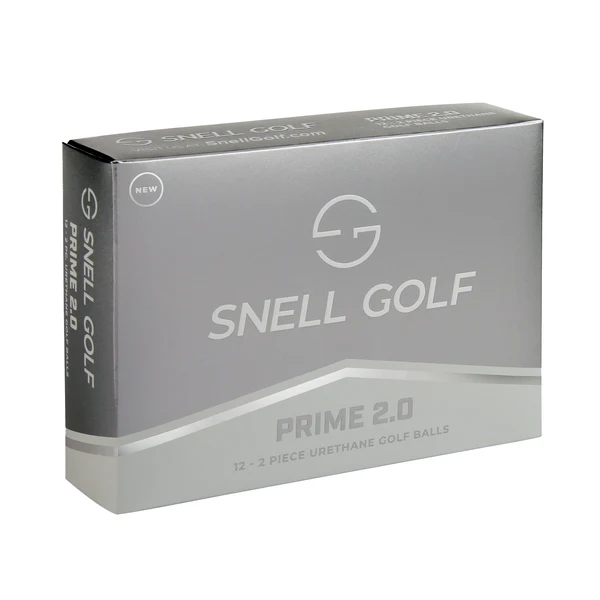
Leisurely speed + higher launch
Snell Golf Prime 2.0
Worth comparing when swing speed is lower, 7-iron distance is around 125 yards or less, and a very soft feel is preferred.
On-course comparison
Test from the green back to the tee.
Use the same shots, the same targets, and your current ball as the control. One great shot does not settle the choice.
Start around the greenHit familiar chips and pitches. Compare launch, first bounce, rollout, sound, and feel.
Move to wedges and ironsWatch start line, flight window, carry consistency, and how the ball lands.
Finish with the driverJudge playable dispersion and flight in normal conditions, not only the longest shot.
Retest the two finalistsPlay another short session before choosing a larger quantity.
Next step
Build three strong options.
Use the fitter for three suggestions, or review every model in the comparison.